
Homemade Ghee (Clarified Butter)
Posted on August 24, 2023
0 Comments
Share this recipe


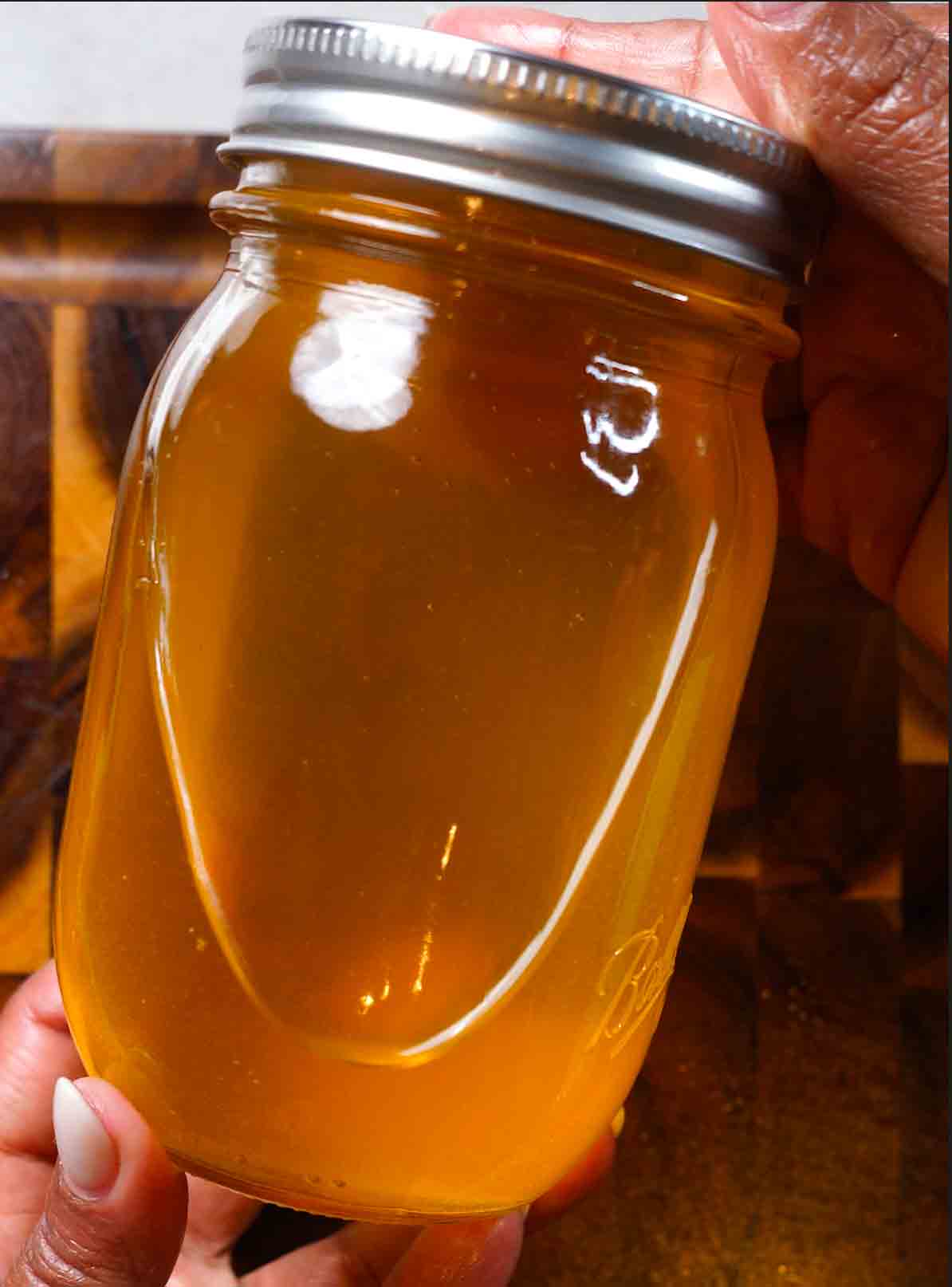
This Homemade Ghee is a rich, fragrant culinary treasure that's been used in Indian cooking for thousands of years! Often called "liquid gold," ghee is clarified butter that's been cooked until the milk solids brown, giving it a deep, nutty flavor and incredible versatility. Making ghee at home is surprisingly simple and transforms regular unsalted butter into something magical. The process involves slowly melting butter until the milk solids separate and sink to the bottom or float to the top, leaving pure golden butterfat in the middle. As you continue simmering on low heat, those milk solids toast and brown, developing that signature nutty, caramelized flavor that makes ghee so special. Once strained through cheesecloth or a fine mesh strainer, you're left with pure, golden ghee that's not only delicious but also incredibly practical. Ghee has a much higher smoke point than regular butter (around 485°F compared to butter's 350°F), making it perfect for high-heat cooking like sautéing, frying, and roasting without burning. It's also naturally shelf-stable and can be stored at room temperature for months without refrigeration, and because the milk solids are removed, it contains significantly less lactose, making it suitable for many people with dairy sensitivities. Use ghee anywhere you'd use butter or oil for cooking, spread it on toast, stir it into rice, drizzle it over roasted vegetables, or use it in baking. Once you make your own ghee and experience that incredible nutty flavor and aroma, you'll always want to keep a jar in your kitchen!
Frequently Asked Questions

Q: What's the difference between ghee and clarified butter?
A: Great question! Both start the same way by melting butter to separate the milk solids from the butterfat, but ghee takes it one step further. Clarified butter is made by melting butter and removing the milk solids as soon as they separate, resulting in pure liquid butterfat. Ghee continues cooking after the milk solids separate, allowing those solids to toast and brown at the bottom of the pan, which gives ghee its distinctive nutty, caramelized flavor and deeper golden color. Both have high smoke points and less lactose than regular butter, but ghee has more complex flavor. If you want clarified butter, stop after step 3 before browning. For ghee, continue to step 4 to brown the solids!
Q: How long does homemade ghee last and how should I store it?
A: Ghee is incredibly shelf-stable! Because all the milk solids (which contain water and can spoil) are removed, ghee can be stored at room temperature in a sealed jar for up to 3 months in a cool, dark place like your pantry. If you refrigerate it, it will last 6-12 months, and you can even freeze it for up to a year. Always use a clean, dry spoon when scooping ghee to prevent introducing moisture or bacteria. You'll know ghee has gone bad if it develops an off smell, changes color significantly, or tastes sour or rancid. Properly stored ghee should smell nutty and delicious and maintain its golden color.
Q: My milk solids burned and the ghee tastes bitter. What did I do wrong?
A: This is the most common mistake when making ghee! Once you reduce the heat to low in step 4, you need to watch it very carefully. The milk solids can go from perfectly toasted and golden brown to burnt in just 30-60 seconds. Here's how to prevent burning: Use low heat once you've reached the simmering stage, watch constantly during the browning phase (don't walk away!), look for golden-brown milk solids at the bottom, not dark brown or black, listen for the sound to change from vigorous bubbling to gentle sputtering, and remove from heat as soon as you see the milk solids turn golden brown and smell nutty. If you're nervous about burning, you can strain it slightly earlier when the solids are just starting to brown. You'll get a milder flavor but it won't be bitter!
Q: Can I use salted butter instead of unsalted?
A: It's not recommended! The whole point of making ghee is to remove the milk solids, and salt is concentrated in those milk solids. When you use salted butter, as the water evaporates during cooking, the salt becomes more concentrated and can make your final ghee too salty. Plus, you can't control the salt level, and the salt particles can also interfere with the clarity of the ghee. Always use high-quality unsalted butter for the best results. If you want salted ghee, make it with unsalted butter first, then add a small pinch of salt at the very end after straining, this way you can control the exact amount.
This Homemade Ghee is clarified butter cooked until the milk solids brown, creating a rich, nutty, golden cooking fat! It's surprisingly easy to make from unsalted butter, has a high smoke point perfect for high-heat cooking, is shelf-stable at room temperature for months, and contains less lactose than regular butter. Use it for sautéing, frying, baking, or anywhere you'd use butter or oil!
Rate This Recipe!

Preparations
Prep Time:
5 minutes
Cook Time:
20-30 minutes
Total Time:
25-35 minutes
Cuisine:
Indian
Course:
Kitchen Essentials, Cooking
Calories:
120 kcal (approx. per tablespoon)
Servings:
Makes about 1½ cups ghee
Author:
Ronica Rupan
Ingredients
- 1 pound (4 sticks or approximately 4 cups) unsalted butter (use high-quality butter for best results)
Equipment:
- Heavy-bottomed pot or saucepan
- Fine mesh strainer or cheesecloth
- Clean, dry glass jar for storage
Instructions
1. Choose Your Pot
Select a heavy-bottomed pot or saucepan. This is important because it distributes heat evenly and prevents hot spots that can cause burning. A 2-3 quart pot works well for 1 pound of butter.
2. Melt the Butter
Cut the unsalted butter into roughly equal pieces and place them in the pot. Heat over medium heat, allowing the butter to melt slowly and evenly. Don't rush this step! Once the butter is completely melted, it will begin to simmer gently with small bubbles forming on the surface.
3. Watch the Separation Phase
As the butter continues to simmer, you'll see it separate into three layers. Foam (milk proteins) will form on top and should be skimmed off with a spoon. Milk solids will sink to the bottom of the pan. Clear, golden butterfat will remain in the middle. Continue simmering over medium heat during this phase, which takes about 10-15 minutes. The butter will bubble and foam quite a bit initially.
4. Reduce Heat and Brown the Milk Solids
Once most of the water has evaporated and the vigorous bubbling calms down, reduce the heat to low. This is the critical phase! Watch the pot closely as the milk solids at the bottom begin to toast and turn golden brown. The ghee will become clearer and more transparent, and the bubbling will change to a gentle sputtering sound. You'll start to smell a wonderful nutty, caramelized aroma. This browning phase takes 5-10 minutes. Don't walk away during this step! The milk solids can burn quickly.
5. Check for Doneness
The ghee is ready when the milk solids at the bottom are golden brown (not dark brown or black), the liquid is clear and golden, the foam on top has mostly subsided, and you smell a nutty, toasted aroma. If you tilt the pot slightly, you should see golden-brown particles settled at the bottom.
6. Strain the Ghee
Remove the pot from heat immediately once the milk solids are golden brown. Let it cool for 2-3 minutes (it will be extremely hot!). Place a fine mesh strainer over a clean, dry heatproof bowl or measuring cup. Line the strainer with several layers of cheesecloth if you want crystal-clear ghee, or just use the fine mesh strainer alone. Carefully pour the ghee through the strainer, leaving the browned milk solids behind in the pot. The strained liquid should be clear and golden.
7. Store the Ghee
Pour the strained ghee into a clean, completely dry glass jar. Any moisture will cause the ghee to spoil, so make sure your jar is bone dry. Let the ghee cool to room temperature uncovered (this prevents condensation), about 30-45 minutes. As it cools, it will solidify into a smooth, creamy, spreadable consistency with a beautiful golden color. Once completely cool, seal the jar with a tight-fitting lid.
8. Store and Enjoy
Store your homemade ghee at room temperature in a cool, dark place for up to 3 months, in the refrigerator for up to 1 year, or in the freezer for up to 1 year. Always use a clean, dry spoon when scooping to prevent introducing moisture. Enjoy in all your cooking!
More Recipes


Connect with Us on Social Media:



Hey! It’s Ronica!
This is where I love to share my passion for cooking, baking, and flavor. When I’m not creating delicious recipes, you’ll find me spending time with my family, working on my spice blends at Flora & Mana, or enjoying a homemade baked goods. Join me on this culinary journey to taste, healthy meals and fun kitchen hacks!
Read MoreWe'd Love to Hear from you!
Drop a Comment Below!
Leave a Reply
Get recipes first!
Subscribe now to get exclusive recipes, kitchen tips, and cooking inspiration delivered straight to your inbox.
No comments yet