
Homemade Oat Flour
Posted on January 5, 2026
0 Comments
Share this recipe


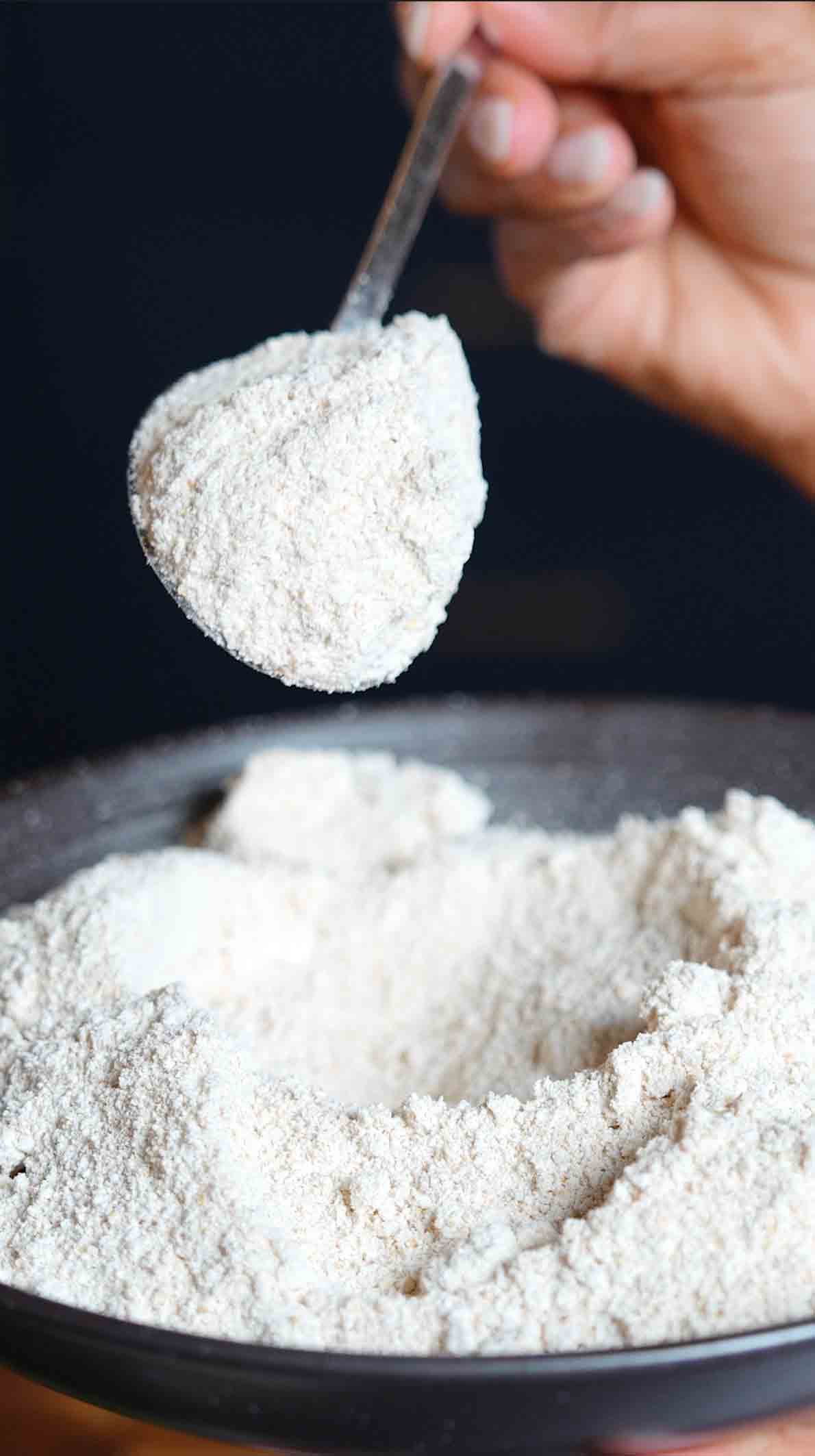
This Homemade Oat Flour is one of those kitchen hacks that'll save you money and a trip to the store! Did you know that if you take regular rolled oats and blend them in a blender or food processor for just ten to twenty seconds, you've just made yourself oat flour? It's that simple! No special equipment needed, no fancy ingredients, just oats and a few seconds of blending. Oat flour is naturally gluten-free when you use certified gluten-free oats, making it perfect for anyone with gluten sensitivities or celiac disease who still wants to bake delicious treats. It's also way cheaper than buying pre-made oat flour at the store, you're basically paying for the convenience of someone else blending oats for you. You can use homemade oat flour in any baking recipe that specifically calls for oat flour, like muffins, pancakes, cookies, scones, fruit crumbles, quick breads, and so much more. It adds a subtle nutty, slightly sweet flavor and creates baked goods that are tender and moist. The texture is finer than regular oats but still has that wholesome quality that makes everything taste homemade and wholesome. Keep a batch in your pantry in an airtight container and you'll always have it on hand when a recipe calls for it, no last-minute store runs required. This is one of those simple kitchen staples that once you start making yourself, you'll wonder why you ever bought it pre-made!
Frequently Asked Questions

Q: Can I use oat flour as a direct 1:1 substitute for all-purpose flour in any recipe?
A: No, oat flour cannot be used as a 1:1 substitute for all-purpose flour or gluten-free flour blends in recipes that weren't specifically designed for oat flour. Oat flour behaves very differently because it lacks gluten, which means it doesn't provide the same structure and rise that wheat flour does. If you substitute oat flour directly for all-purpose flour in a regular cake or bread recipe, your baked goods will likely be dense, crumbly, and won't rise properly. Oat flour works best in recipes specifically written for it, or in recipes where you're only replacing a portion of the flour (like 25-30% of the total flour can be oat flour). For best results, use oat flour in recipes that call for it specifically, like oat flour muffins, pancakes, or cookies.
Q: Is oat flour really gluten-free, or do I need special oats?
A: Oats themselves are naturally gluten-free, but they're often processed in facilities that also handle wheat, barley, and rye, which means regular oats can be contaminated with gluten through cross-contact. If you need truly gluten-free oat flour (for celiac disease or severe gluten sensitivity), you must use Certified Gluten-Free oats like Bob's Red Mill Gluten Free Oats or other certified brands that are processed in dedicated gluten-free facilities. These will have a label that says "Certified Gluten Free" on the package. If you don't have celiac disease or aren't strictly avoiding gluten, regular oats work fine for making oat flour. Just check the label and buy certified GF oats if you need them!
Q: How much oat flour do I get from whole oats, and how do I measure it?
A: Generally, 2 cups of whole rolled oats will yield approximately 1½ cups of oat flour after blending, though this can vary slightly depending on how finely you grind them and how you measure. Here's the best way to measure oat flour: After blending, use a spoon to scoop the flour into your measuring cup, then level it off with a knife. Don't pack it down or shake the cup, as this will give you more flour than the recipe intends and can make your baked goods dense. If a recipe calls for 1 cup of oat flour, start with about 1⅓ cups of whole oats. It's always better to make a little extra so you have enough!
Q: How long does homemade oat flour stay fresh, and how should I store it?
A: Homemade oat flour stays fresh for about 3 months when stored properly in an airtight container in a cool, dry place like your pantry. For even longer storage (up to 6 months), keep it in the refrigerator, or freeze it for up to a year. Because oat flour contains the natural oils from the oats, it can go rancid if stored too long at room temperature, especially in warm climates. You'll know it's gone bad if it smells stale or off. Store it in a glass jar, airtight plastic container, or sealed bag with as much air removed as possible. Label it with the date you made it so you can keep track. If you only bake occasionally, make smaller batches (1 cup of oats at a time) so it stays fresh!
This Homemade Oat Flour takes just 2 minutes to make! Blend rolled oats in a food processor or blender for 10-20 seconds and you've got fresh oat flour that's gluten-free, cheaper than store-bought, and perfect for any baking recipe. Use it in muffins, cookies, pancakes, scones, and more. It's one of those kitchen hacks that'll save you money and trips to the store!
Rate This Recipe!

Preparations
Prep Time:
2 minutes
Total Time:
2 minutes
Cuisine:
American
Course:
Kitchen Essentials, Baking
Calories:
N/A (depends on usage)
Servings:
Makes about 1½ cups oat flour (from 2 cups oats)
Author:
Ronica Rupan
Ingredients
Instructions
1. Add Oats to Food Processor or Blender
Place 2 cups of whole rolled oats into your food processor or high-speed blender. Make sure the container is dry and the oats are at room temperature.
2. Blend Until Fine
Blend or process the oats on high speed for 10-20 seconds, until they become a fine, powdery flour. Stop the machine halfway through to scrape down the sides and stir the oats around if needed, then continue blending. The oats should transform from flakes into a flour that looks and feels like whole wheat flour, fine and powdery but not as silky as all-purpose flour.
3. Check Consistency
Stop and check the texture. If there are still large oat pieces, blend for another 5-10 seconds. You want it to be as fine as possible for baking, but a few tiny pieces are okay.
4. Use or Store
Use the oat flour immediately in any recipe that calls for oat flour, or transfer it to an airtight container. Store in a cool, dry place for up to 3 months, in the refrigerator for up to 6 months, or in the freezer for up to 1 year.
More Recipes


Connect with Us on Social Media:



Hey! It’s Ronica!
This is where I love to share my passion for cooking, baking, and flavor. When I’m not creating delicious recipes, you’ll find me spending time with my family, working on my spice blends at Flora & Mana, or enjoying a homemade baked goods. Join me on this culinary journey to taste, healthy meals and fun kitchen hacks!
Read MoreWe'd Love to Hear from you!
Drop a Comment Below!
Leave a Reply
Get recipes first!
Subscribe now to get exclusive recipes, kitchen tips, and cooking inspiration delivered straight to your inbox.
No comments yet